

In recent years, the allure of the deep web has caught the interest of scholars, law enforcement, and inquisitive minds alike. Often wrapped in mystery, the darknet offers a unique glimpse into a secret economy that exists beneath the layer of the internet. This nebulous realm hosts a variety of marketplaces that deal in everything from virtual products and services to forbidden products, drawing participants with the promise of anonymity.
Investigating dark web sites reveals a complex ecosystem where transactions are performed using cryptocurrencies and community evaluations drive reputations. While some individuals may dare into these domains for innocuous pursuits, such as obtaining restricted information, others may seek out more nefarious activities. Understanding the details of these marketplaces is essential to grasping the wider effects of the secret market that thrives beyond the reach of established supervision and regulation.
Grasping the Underbelly of the Internet
The hidden web refers to a section of the web that is not cataloged by traditional search engines and demands specialized tools to reach. In dark market url to the visible web, which is open to anyone with an online connection, the hidden web operates on an encrypted system, making it hard to trace users and their activities. This degree of anonymity attracts a variety of individuals, including those wanting confidentiality and security, as well as those involved in illicit activities.
Gaining entry to the dark web typically involves using particular tools such as Tor, which allows users to connect to different sites without disclosing their identities. These sites often use strange website extensions, creating a distinct setting that differs significantly from regular online actions. While many users turn to the hidden web for valid reasons, such as bypassing restrictions or protecting confidential information, it has also become a center for illicit commerce, including the selling of drugs, arms, and stolen information.
The hidden web consists of numerous markets where products and services can be purchased and sold under the guise of secrecy. These platforms operate in a manner to traditional online shopping sites, with user reviews, product listings, and payment methods often relying on digital currencies. However, the risks and uncertainties associated with these deals are considerable, as users may face scams, law enforcement crackdowns, and violent criminal activity, highlighting the darker aspects of this concealed marketplace.
Major Dark Web Marketplaces
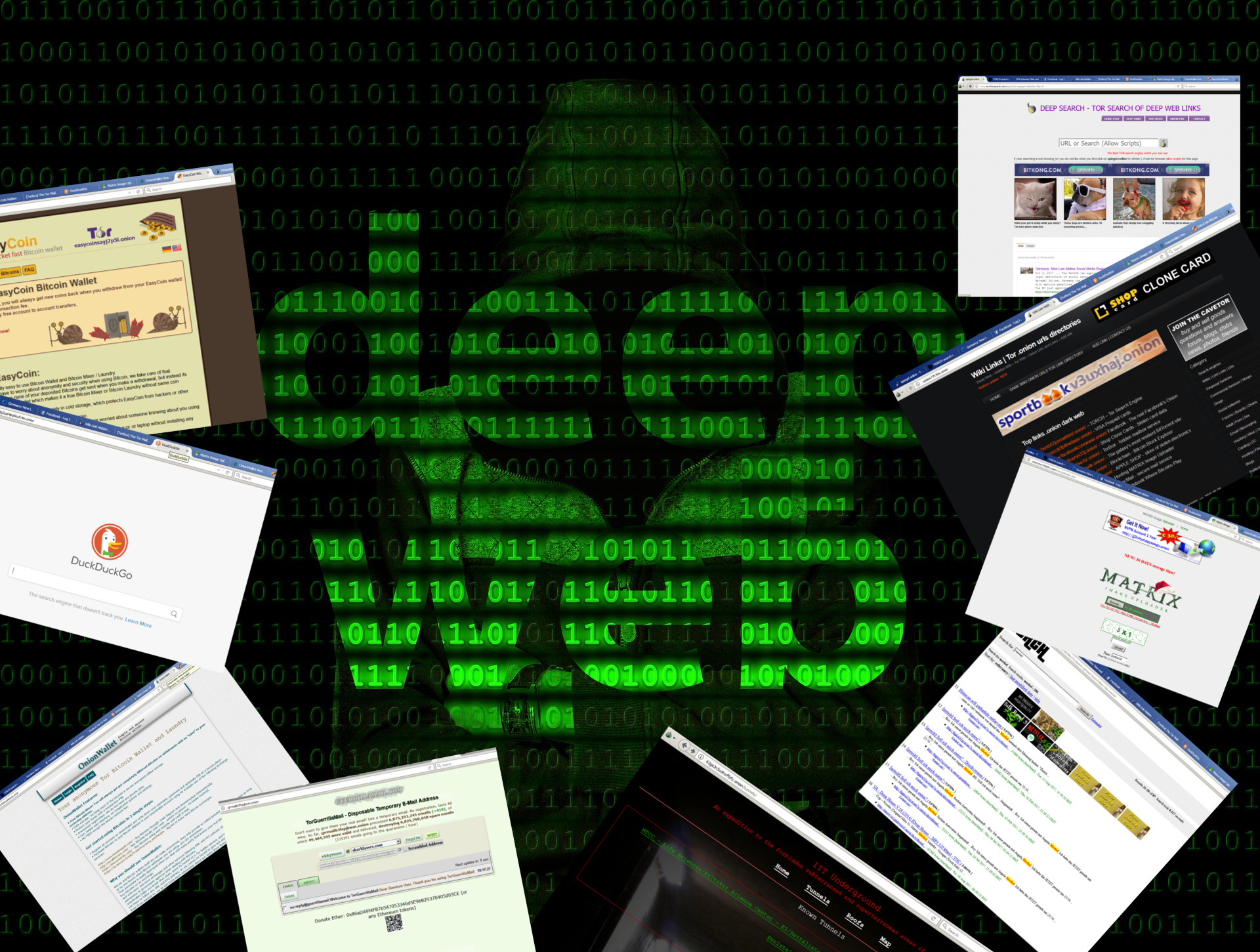
Throughout the growth of the underground web, several marketplaces have surfaced as significant players in the underground economy. One of the most notorious was Silk Road, which functioned from 2011 until its seizure by law enforcement in 2013. It became infamous for facilitating the sale of illegal drugs and other illicit goods, operating on a model that relied heavily on Bitcoin for payments. Silk Road's ascendancy and collapse set a standard for future platforms, demonstrating both the possibility for profit in the dark web and the risks of operating in a lawless space.
Following Silk Road's closure, new marketplaces quickly took its place, including AlphaBay and Hansa. AlphaBay, which launched in 2014, grew to become one of the largest underground marketplaces until it was dismantled in 2017. It offered a wide range of illegal products and services, from narcotics to cybercrime tools, and introduced advanced features such as user reviews and vendor verification. Hansa, on the other hand, was targeted by law enforcement at the same time as AlphaBay, leading to a simultaneous crackdown on two major centers for dark web commerce.
In the wake of these closures, new entrants like Dream Market and Empire Market emerged to fill the void. Dream Market operated from 2013 until 2019 and provided a platform for vendors to sell diverse goods, often highlighting user safety and anonymity. Empire Market became prominent as a successor to previous sites, offering a large selection while also implementing advanced security measures to protect its users. As these marketplaces continue to evolve, they underscore the persistent demand for dark web goods and the cat-and-mouse game between law enforcement and illicit online trade.
Risks and Legal Consequences
Engaging with dark web marketplaces carries significant risks that go far beyond the legal ramifications. Users often put themselves to digital dangers, including malware, unauthorized access, and identity theft. The anonymity of the dark web can create a false sense of security, making individuals susceptible to scams and fraud. Additionally, the concealment of transactions does not mean that users are immune to repercussions; law enforcement agencies are increasingly employing complex techniques to track and apprehend those involved in illegal activities on the darknet.
From a juridical viewpoint, accessing and engaging in darkweb markets can lead to grave consequences. Many of the items and services offered on these platforms, such as drugs, firearms, and stolen data, are illegal in most regions. Engaging in transactions on these marketplaces can result in criminal charges, penalties, and imprisonment. Even mere possession of compromised materials linked to darkweb activities can draw the focus of law enforcement, leading to investigations that can destabilize careers and lives.
Additionally, the legal landscape surrounding the darkweb is evolving, with governments implementing stricter rules and penalties for online illicit activities. As authorities become more adept at monitoring dark web traffic and catching perpetrators, the risks increase for anyone who attempts to navigate these murky waters. Understanding the legal implications is essential for anyone considering involvement, as the hidden economy comes with heavy costs that can affect personal freedom and security.